3 Common Injuries After an Auto Accident
This is a description for this blog post. its usually up to one parapgraph.
Published
Aug 5, 2024
Topic
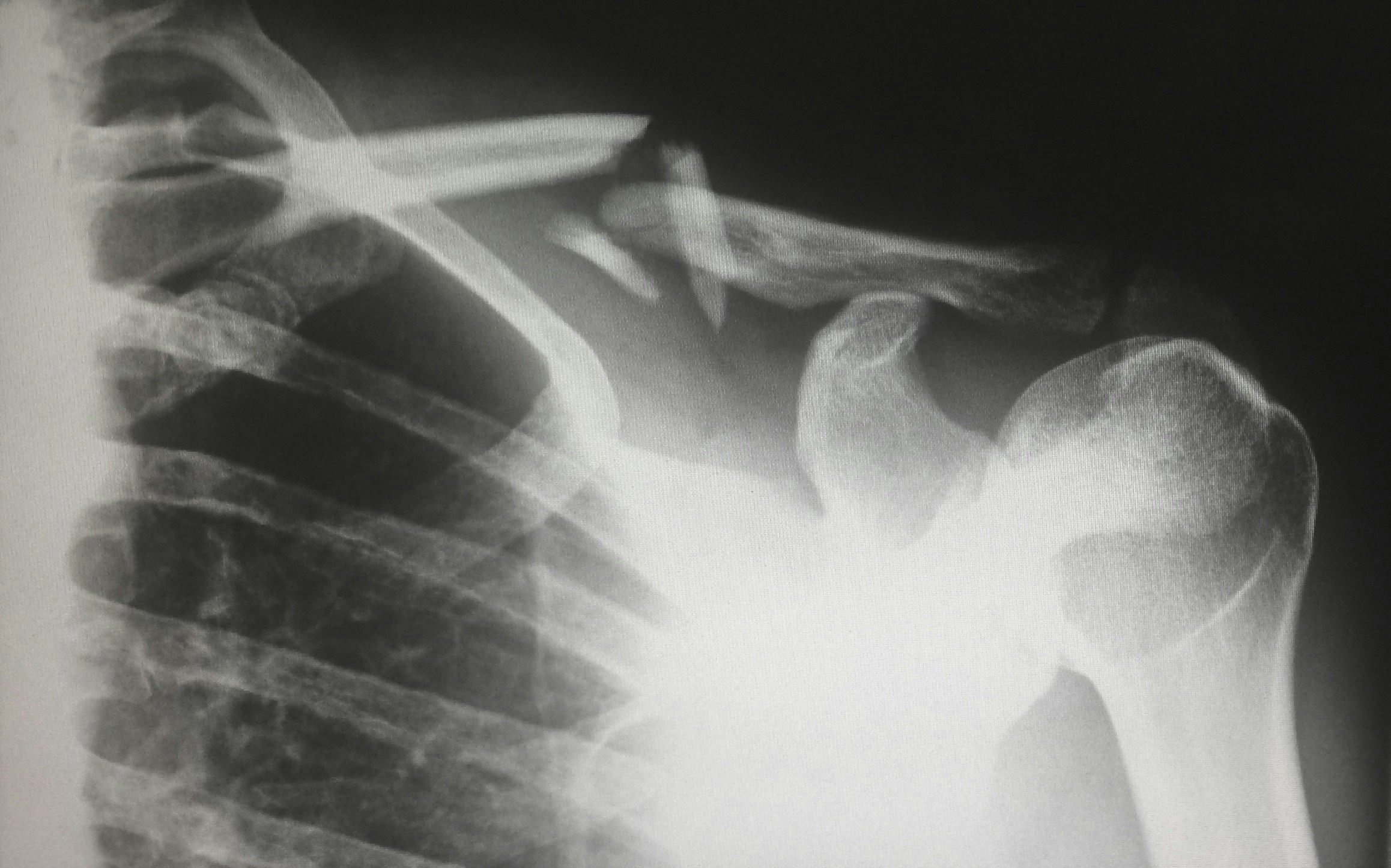
Being involved in an auto accident is never on someone's to-do list. Whether you have been involved in a small fender-bender or a bigger accident, here are 3 common injuries to know about after an auto accident.
Whiplash
The most common injury is whiplash. According to Mayo Clinic, whiplash is a neck injury, typically caused by a forceful, rapid back-and-forth movement of the neck. Rear-end collisions are the main culprit for most whiplashes but may also result from sports accidents and falls. If whiplash is not treated correctly, one may experience long-lasting neck pain and other complications. If you have been involved in an accident and not sure whether you have whiplash or not, look for these common symptoms: neck pain and stiffness; pain that gets work with neck movements; loss of range of motion in the neck; headaches; tenderness or pain in the shoulder, upper back or arms; tingling or numbness in the arms; tiredness or dizziness. (Mayo Clinic, https://www.mayoclinic.org/diseases-conditions/whiplash/symptoms-causes/syc-20378921.
Disc Herniations
A herniated disc or disk occurs when there is a problem with one of the rubbery cushions (called disc or disks), that sit between the bones that stack to make up the spine. After an auto accident, it is common that the rubbery cushions tear making it possible for some of the jelly to push out through the tear and cause pain and discomfort. This injury could be dangerous because many people do not experience symptoms from a herniated disc. This is why it is SO important to speak to an experienced Personal Injury attorney who will help navigate your medical treatment and get you into the right care!
Pinched Nerve
A pinched nerve can occur in many areas of the body. However, after an auto accident, most common pinched nerves occur in the lower back, the neck and the shoulders. A pinched nerve is caused when there is too much pressure to a nerve by the surrounding tissues, such as bones, cartilage, muscles or tendons. As a result, a pinched nerve can cause pain, tingling, numbness or weakness. A herniated disc can also cause a pinched nerve by putting pressure on a nerve root.
After an accident, call Vera Fernandez Law to help you through your personal injury claim.